

While every provider has their own template, most business contracts follow the same core structure. The details matter, because small gaps in a contract often become big issues once service is underway.
What parties, locations, and start dates do they define upfront?
They typically name the legal business entities involved, list service addresses, and state the contract start date and initial term. If cleaning covers multiple sites, they usually attach an exhibit listing each location.
For businesses searching for commercial cleaning services near me, this section is especially important because it clearly defines who is responsible at each site. They may also include who is authorized to approve changes, sign off on work, or handle day-to-day requests, which helps avoid confusion when multiple managers are involved.
What scope of work do they spell out in a “standard” service schedule?
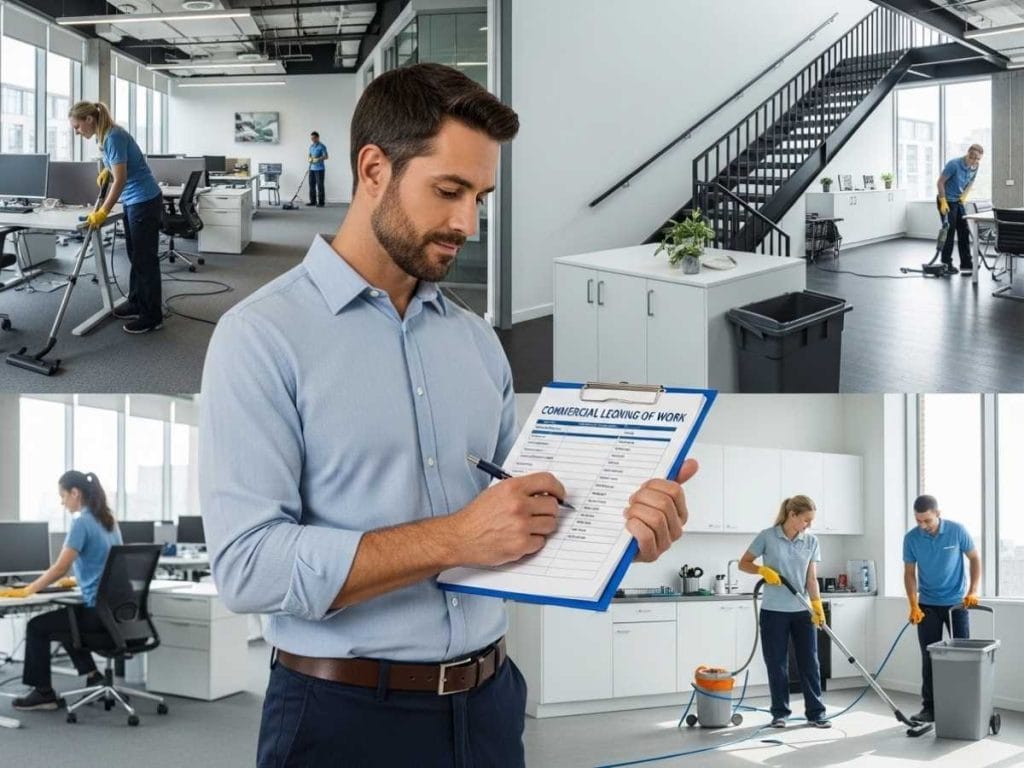
They usually include a written scope of work describing tasks by area, such as restrooms, breakrooms, offices, reception, and shared spaces. Many contracts break tasks into daily, weekly, monthly, and “as needed” items.
Common examples include trash removal, vacuuming, mopping, restroom sanitizing, wiping touchpoints, and replenishing consumables if included. A good scope also clarifies what is not included, so expectations stay realistic.
How do they set frequency, service windows, and access requirements?
They commonly state cleaning frequency (for example, five nights per week) and the service window (after-hours, early mornings, or daytime portering). They also address access logistics like keys, badges, alarm codes, and escort requirements.
If the building has restricted areas, they often specify which zones are off-limits or require special authorization. This reduces security issues and delays.
What supplies, equipment, and consumables do they include or exclude?
They usually clarify whether they provide cleaning chemicals, tools, and equipment like vacuums, floor machines, and microfiber systems. Many contracts also specify whether they supply consumables such as toilet paper, hand soap, paper towels, bin liners, and air fresheners.
If consumables are excluded, they often define what the client must stock and where it will be stored. This prevents missed service caused by empty supply closets.
How do they handle pricing, invoicing, and contract changes?
They typically state the monthly or per-visit rate, what it covers, and what triggers extra charges. They also define invoicing frequency, payment terms, late fees, and acceptable payment methods.
Most contracts include a change-order process for adding tasks, increasing frequency, or expanding space. They may also address annual price adjustments tied to labor or supply costs, so both sides know what to expect.
What service standards, inspections, and complaint timelines do they include?
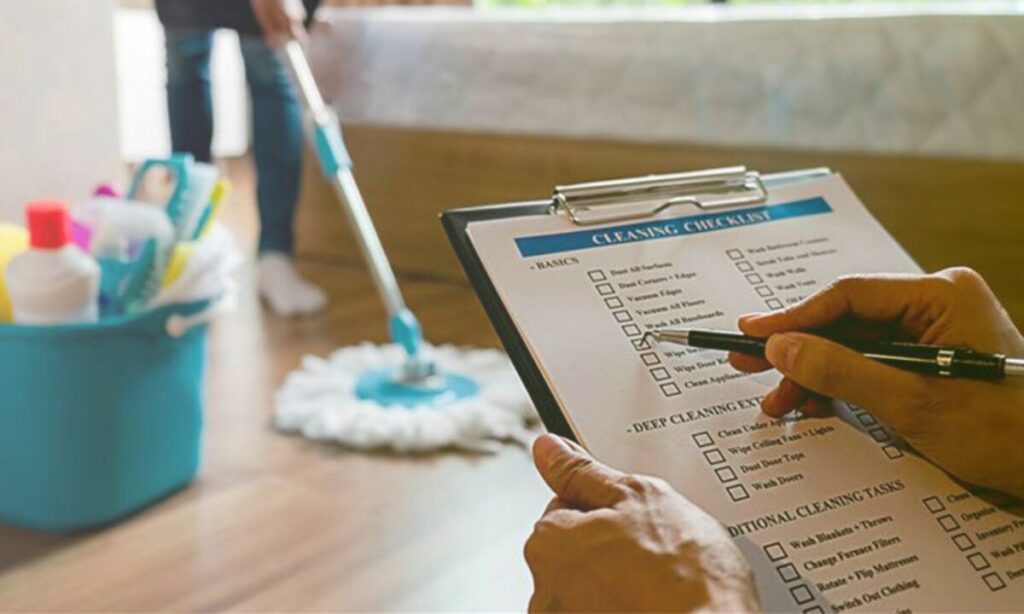
They often include quality expectations, sometimes referencing checklists, periodic inspections, or a service level agreement. Many contracts describe how issues should be reported and the timeframe they have to respond or re-clean.
Some include a “cure” period, meaning they get a set number of days to fix repeated problems before the client can escalate remedies. This keeps disputes structured instead of emotional under service level agreements (SLA) and complaint resolution processes, which define performance expectations and resolution timelines.
What staffing, supervision, and background requirements do they address?
They may describe how they staff the account, including whether crews are dedicated or rotating. Many contracts state that they will supervise workers, provide training, and ensure compliance with site rules.
Some businesses require background checks, ID badges, or specific onboarding steps. If so, the contract usually states who pays associated costs and what happens if staffing approval is delayed.
What insurance, bonding, and liability clauses are usually standard?
They commonly state required insurance types and limits, such as general liability, workers’ compensation, and auto liability if vehicles are used on-site. Some also carry bonding, which can protect against certain losses tied to employee dishonesty. See office cleaning hygiene standards and workplace maintenance practices for how structured cleaning and compliance expectations support safe and consistent office environments.
They typically outline how claims are handled, what incidents must be reported, and any limitations of liability. Many businesses also require being added as an additional insured, which the contract will reference.
How do they cover health, safety, and chemical handling expectations?
They often include basic safety obligations such as proper chemical labeling, secure storage, and compliance with applicable regulations. Some contracts reference safety data sheets and procedures for spills, sharps, or biohazards under workplace chemical safety and hazardous substance handling requirements to ensure safe and compliant cleaning operations.
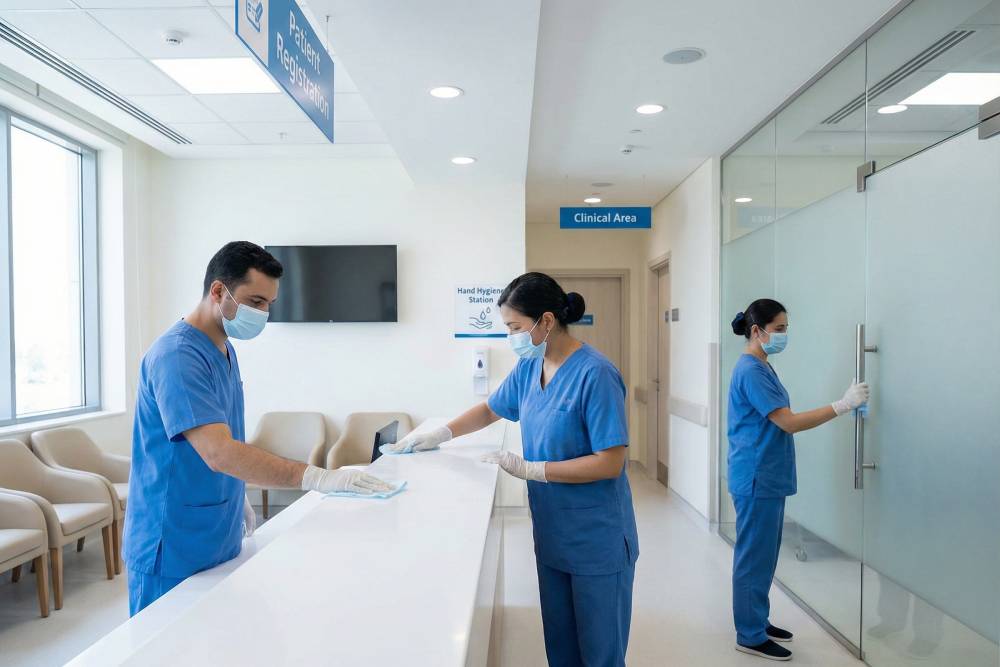
If the facility has special requirements, such as healthcare-grade disinfection or food-safe areas, they may include separate protocols. This is where “standard cleaning” is clearly distinguished from specialized cleaning.
What confidentiality and data protection terms do they include?
They often include confidentiality language because cleaners may see paperwork, whiteboards, or customer information. The contract may prohibit photographing the site, discussing client operations, or removing documents from the premises.
If the business handles sensitive data, they may require tighter rules around secured rooms and disposal practices. These clauses are especially important in offices, clinics, and financial environments.
What termination, renewal, and dispute terms do they rely on?
They usually state renewal terms, required notice to cancel, and reasons either side can terminate. Many include termination for cause (such as repeated service failures or non-payment) and termination for convenience with notice.
They also often include dispute resolution steps, such as escalation to management, mediation, or venue and governing law. Clear exit terms matter because switching providers is disruptive without a predictable offboarding process.
What add-ons and special services are commonly handled as contract exhibits?
They often separate occasional services into add-ons, such as carpet extraction, hard-floor stripping and waxing, window cleaning, pressure washing, post-construction cleaning, or event support. These are commonly priced separately and approved in writing.
Many contracts attach exhibits for floor plans, task checklists, and supply lists. That structure keeps the main agreement readable while still locking down the operational details.
FAQs (Frequently Asked Questions)
What key details are defined upfront in a standard commercial cleaning contract?
A standard commercial cleaning contract typically defines the legal business entities involved, lists all service locations, states the contract start date and initial term, and identifies authorized personnel for approvals and day-to-day requests to avoid confusion among multiple managers.
How is the scope of work detailed in a commercial cleaning contract’s service schedule?
The scope of work is clearly outlined by area—such as restrooms, breakrooms, offices, reception, and shared spaces—with tasks categorized by frequency (daily, weekly, monthly, or as needed). Common tasks include trash removal, vacuuming, mopping, restroom sanitizing, wiping touchpoints, and replenishing consumables if included. It also clarifies what services are excluded to set realistic expectations.
How do commercial cleaning contracts address service frequency, access requirements, and scheduling?
Contracts specify cleaning frequency (e.g., five nights per week), service windows (after-hours, early mornings, or daytime portering), and access logistics including keys, badges, alarm codes, and escort needs. They also delineate restricted areas requiring special authorization to minimize security issues and delays.
What provisions do cleaning contracts include regarding supplies, equipment, and consumables?
They clarify whether the provider supplies cleaning chemicals, tools like vacuums and floor machines, and consumables such as toilet paper and hand soap. If consumables are excluded, the contract defines client responsibilities for stocking and storage to prevent service interruptions caused by empty supply closets.
How are pricing, invoicing, and contract changes managed in commercial cleaning agreements?
Contracts state monthly or per-visit rates detailing what is covered and triggers for extra charges. They define invoicing frequency, payment terms including late fees and accepted methods. A change-order process is included for adding tasks or expanding services. Annual price adjustments tied to labor or supply costs may also be specified to set mutual expectations.
What standards exist for quality assurance, inspections, complaint handling, and dispute resolution?
Contracts often include quality expectations referencing checklists or service level agreements with periodic inspections. They outline procedures for reporting issues with response or re-clean timelines. A ‘cure’ period allows providers time to fix repeated problems before escalation. Dispute resolution steps like management escalation or mediation are also commonly detailed.


