
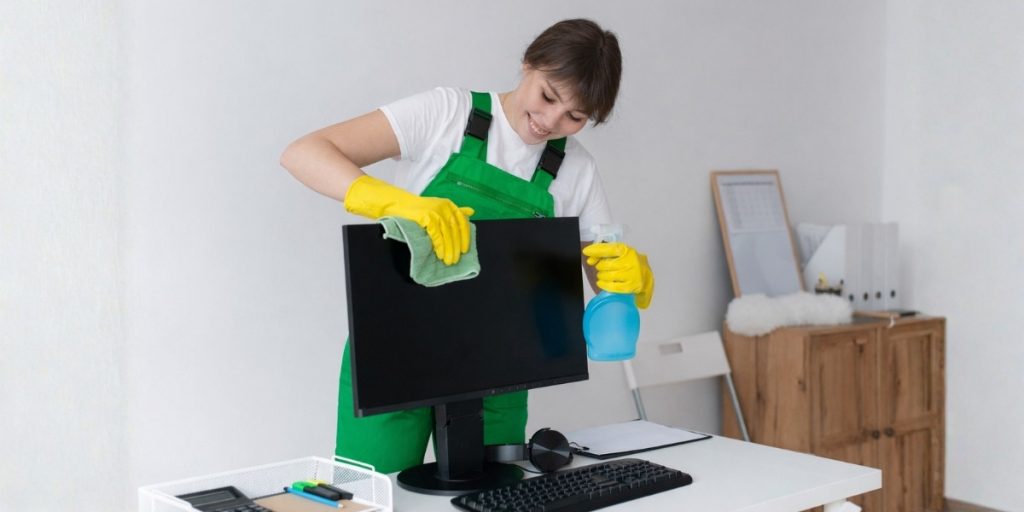
This guide explains what busy teams can do to keep hygiene consistent, even when meeting rooms are full and desks are always in use.
What hygiene standards should busy offices aim to meet?
They should aim for a visibly clean workspace, consistently sanitised high touch points, and well maintained bathrooms and kitchens. The goal is to reduce germ spread while keeping the office safe and pleasant to use.
For office cleaning Parramatta, a practical standard is simple: surfaces that people touch often are cleaned daily, bathrooms are checked multiple times per day, and shared spaces never run out of soap, paper towel, or bins.
Which areas get dirty fastest in high traffic Parramatta offices?
High touch and shared areas soil faster than individual workstations. These are the spots that cause hygiene complaints and trigger most illness spread.
They should prioritise reception counters, lift buttons, door handles, meeting room tables, shared keyboards, kitchen benches, fridge handles, bathroom fixtures, tapware, and break room seating. Entryways also matter because they bring in dust and grit from outside.
How often should cleaning happen in a busy office?
They should match frequency to usage, not to a fixed calendar alone. A lightly used office can survive on less, but busy offices need daily attention and periodic deep cleaning.
A common approach is daily cleaning for bathrooms, kitchens, bins, and touch points, then weekly detail cleaning for edges, skirting, glass partitions, and dust build up. Carpets and upholstery often need monthly or quarterly deep cleans depending on traffic.
What should a daily office cleaning checklist include?
They should keep daily tasks short, repeatable, and focused on hygiene critical items. A clear checklist also reduces missed areas when cleaners rotate.
A solid daily list includes emptying bins and replacing liners, wiping and disinfecting touch points, cleaning kitchen benches and sinks, wiping meeting tables, vacuuming high traffic areas, restocking bathroom consumables, and spot cleaning glass around entrances. Floors in kitchens and bathrooms should be mopped with appropriate products following office cleaning hygiene standards and daily maintenance practices to maintain a safe and sanitary workplace environment.
How can they reduce germ spread through high touch points?
They should treat touch points as the centre of the hygiene plan. Cleaning only floors and visible mess will not control germs.
They can create a touch point map that includes door hardware, light switches, printer panels, shared stationery areas, fridge handles, microwaves, taps, soap dispensers, and handrails. These areas should be disinfected with suitable products using correct dwell time, not just a quick wipe.
What bathroom standards matter most for workplace hygiene?
They should focus on cleanliness, odour control, and reliable supplies. Bathrooms create the strongest impression of hygiene and are a common source of complaints.
They should ensure toilets, urinals, basins, and taps are disinfected daily, floors are mopped properly, mirrors are spot free, and bins are emptied before overflow. Soap, paper towel, and toilet paper should be checked and topped up, especially in offices with visitors or shift patterns.
How should kitchens and break rooms be kept sanitary?
They should keep food areas visibly clean and prevent build up around appliances. Kitchens fail quickly when no one owns the space.
They can enforce nightly bench and sink cleaning, daily disinfection of fridge and microwave handles, and regular cleaning of dish racks and splashbacks. Rubbish and recycling should be separated and removed daily. They should also schedule periodic fridge cleanouts to prevent odours and contamination using workplace kitchen hygiene and sanitation practices to maintain safe and hygienic shared food areas.
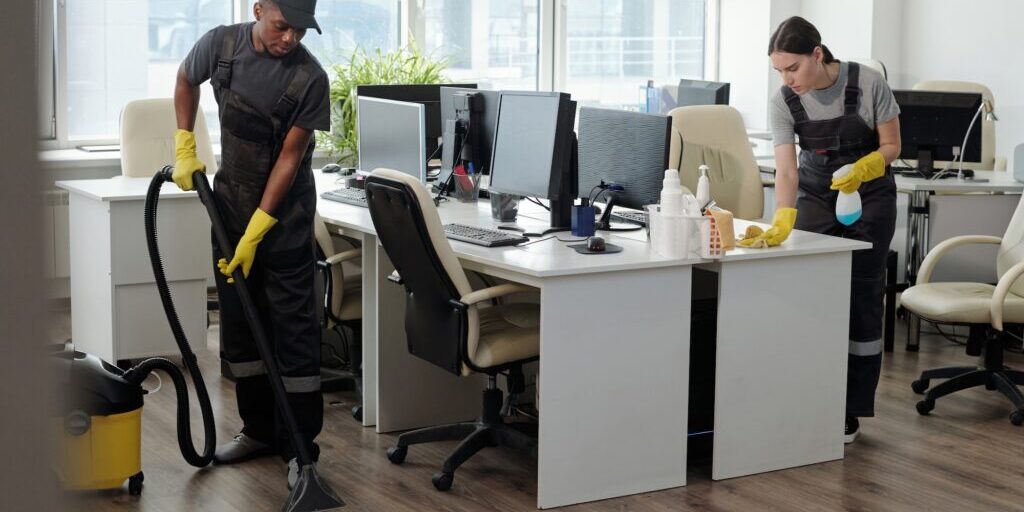
What role does ventilation and indoor air quality play in office hygiene?
They should treat air quality as part of hygiene, not a separate issue. Poor ventilation can worsen odours, humidity, and illness transmission. See also commercial cleaning service contracts and scope of work to understand what responsibilities, tasks, and standards are typically included in professional cleaning agreements for businesses.
They can maintain HVAC filters, keep vents unobstructed, and ensure cleaners do not use overpowering fragrances to mask issues. In meeting rooms, they should reduce dust with regular vacuuming and surface wiping, especially on blinds and fabric chairs.
How can they keep carpets, hard floors, and upholstery hygienic?
They should choose the right method for the surface and schedule deep cleans before the office looks worn. Floors hold dust, allergens, and bacteria brought in from outside.
They can vacuum daily in walkways and entry points, then use periodic steam cleaning or hot water extraction for carpets. Hard floors should be cleaned with neutral solutions to avoid residue that attracts dirt. Upholstery in reception and meeting rooms should be spot treated quickly and deep cleaned on a routine schedule.
How should they manage waste, recycling, and sanitisation supplies?
They should make disposal easy and consistent. Overflowing bins or missing liners quickly undo cleaning efforts.
They can place bins where waste is produced, empty them daily, and keep odour control in mind for kitchen waste. Sanitiser stations should be refilled and placed near entrances, kitchens, print areas, and meeting rooms. Cleaning cupboards should be stocked so staff do not substitute unsuitable products.
How can they balance staff habits with professional office cleaning?
They should set simple rules for staff while leaving hygiene critical work to professionals. Staff habits can either support cleaning or constantly fight against it.
They can introduce desk clear policies, encourage dishes to be washed or placed in a dishwasher, and require spills to be reported immediately. Professional cleaners should handle bathrooms, touch points, and scheduled deep cleaning, while staff handle basic day to day tidiness.
What should they look for in an office cleaning service in Parramatta?
They should choose reliability, clear scope, and quality control over the cheapest quote. Busy offices need predictable outcomes and fast issue resolution.
They can ask whether the provider uses checklists, supervisor audits, and safe disinfectants, and whether they can clean after hours. They should also confirm inclusions like consumable restocking, touch point disinfection, and periodic deep cleaning options, plus proof of insurance and trained staff.
How can they measure whether hygiene standards are being maintained?
They should measure outcomes, not just tasks completed. A signed checklist is useful, but it is not the full picture.
They can track complaint frequency, sick day patterns, bathroom supply outages, and visible issues like dust build up or odours. Regular walkthroughs by an office manager and occasional deep clean reports help confirm standards are being met consistently.
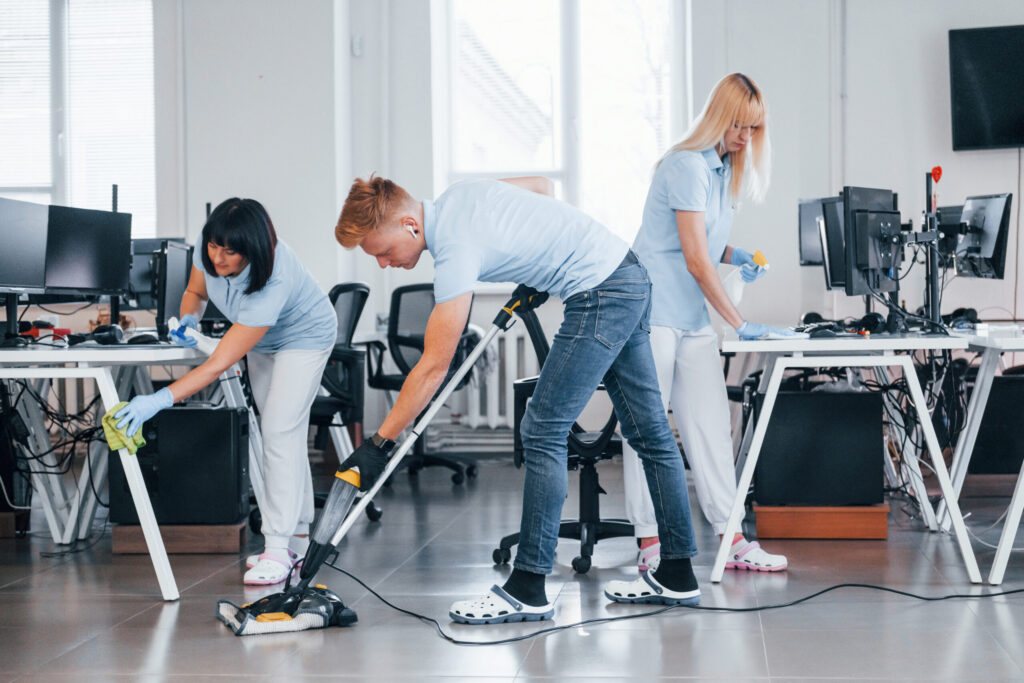
What is the simplest plan they can start with this week?
They should start by tightening daily cleaning around touch points, bathrooms, and kitchens. Those three areas deliver the fastest hygiene improvement.
They can implement a daily checklist, add a midday bathroom supply check in very busy offices, and schedule one deep clean item per month, such as carpets, upholstery, or high dust areas. With consistent routines, hygiene stays steady even as the office gets busier.
FAQs (Frequently Asked Questions)
What hygiene standards should busy offices in Parramatta aim to meet?
Busy offices in Parramatta should aim for visibly clean workspaces, consistently sanitised high touch points, and well-maintained bathrooms and kitchens. This includes daily cleaning of frequently touched surfaces, multiple daily bathroom checks, and ensuring shared spaces are stocked with soap, paper towels, and bins to reduce germ spread and maintain a safe, pleasant environment.
Which areas get dirty fastest in high traffic Parramatta offices and require priority cleaning?
High touch and shared areas such as reception counters, lift buttons, door handles, meeting room tables, shared keyboards, kitchen benches, fridge handles, bathroom fixtures, tapware, break room seating, and entryways accumulate dirt fastest in busy Parramatta offices. Prioritising these spots helps prevent hygiene complaints and reduces illness transmission.
How often should cleaning be performed in a busy Parramatta office?
Cleaning frequency should match office usage rather than a fixed schedule. Busy offices need daily attention for bathrooms, kitchens, bins, and high touch points; weekly detailed cleaning for edges, skirting boards, glass partitions; and monthly or quarterly deep cleans for carpets and upholstery depending on traffic levels.
What items should be included in a daily office cleaning checklist for busy workplaces?
A daily cleaning checklist should focus on hygiene-critical tasks including emptying bins with liner replacement; wiping and disinfecting high touch points; cleaning kitchen benches and sinks; wiping meeting tables; vacuuming high traffic areas; restocking bathroom consumables; spot cleaning entrance glass; and mopping floors in kitchens and bathrooms using appropriate products.
How can busy offices reduce germ spread through high touch points effectively?
Offices should treat high touch points as central to their hygiene plan by creating a touch point map covering door hardware, light switches, printer panels, shared stationery areas, fridge handles, microwaves, taps, soap dispensers, and handrails. These areas require disinfection with suitable products applied with correct dwell time rather than quick wipes to effectively control germs.
What are the key bathroom standards that contribute to workplace hygiene in busy Parramatta offices?
Key bathroom standards include thorough daily disinfection of toilets, urinals, basins, and taps; proper mopping of floors; maintaining spot-free mirrors; timely bin emptying before overflow; effective odour control; and ensuring reliable supplies of soap, paper towels, and toilet paper—especially important in offices with visitors or shift patterns—to create a strong positive impression of hygiene.


