
What should ADF members get clear on before buying anything?
They should first decide whether the next purchase is meant to be a home to live in, an investment, or a flexible ‘either way’ option. This one decision affects location, loan choice, deposit size, and how much vacancy risk they can tolerate.
Following an adf property guide, they should also map their likely posting cycle for the next 24 to 48 months. A purchase that works for a stable posting can be a headache if they are moved quickly.
What ADF housing schemes might affect their buying decisions?
ADF housing support can change the economics of owning a home. If they receive subsidised housing or rent assistance, it can reduce the urgency to buy a principal place of residence in a posting location.
It can also make renting out a property more attractive. Many choose to live in supported accommodation while building a separate investment portfolio elsewhere, provided they understand the rules that apply to their specific benefits.
What is the key difference between buying to live in and buying as an investment for ADF members?
Buying to live in is about lifestyle fit, commute, school zones, and stability. Buying as an investment is about cash flow, vacancy resilience, and long term demand, even if they never live there.
Because postings can change quickly, many ADF buyers prioritise investment grade fundamentals first. They aim for a property that would still perform well if it becomes a rental earlier than planned.
Which grants and incentives should they check first?
They should start with federal and state based first home buyer support, then check stamp duty concessions in the state where they will buy. Rules vary widely by location, property type, price caps, and whether they will live in the home.
They should also confirm timing rules. Some benefits require them to move in within a certain period and live there for a minimum time, which may clash with posting orders.
How should they think about the First Home Guarantee and similar deposit schemes?
Low deposit schemes can help them buy sooner, but they should not treat them as “free money.” They may still pay higher rates, mortgage insurance alternatives, or face stricter lender requirements depending on the product.
They should also stress test repayments at higher interest rates and allow for periods where the home is rented. A small deposit purchase can be fragile if vacancy or repairs hit early.
How do posting cycles and occupancy rules affect grant eligibility?
Many first home benefits depend on them living in the property as their main residence for a set period. If they are posted away and cannot meet the occupancy requirement, they could lose eligibility or need an exemption.
They should get written advice on the specific rules before exchange and keep documentation, including posting orders and timelines. Assumptions are where expensive mistakes happen.
What loan features matter most for ADF buyers who might move often?
Flexibility usually beats a slightly lower rate. Features like offset accounts, the ability to switch to interest only for a period, and clear policies for renting out the property can matter more than saving a few basis points.
They should also ask the lender how they treat allowances and whether their income assessment changes when they are deployed or posted. Not all lenders interpret ADF income the same way.
How should they choose a location if they cannot predict their next posting?
If they cannot buy where they will live, they can buy where the numbers and demand make sense. They should look for diversified employment, low vacancy risk, and steady population growth rather than relying on a single industry.
They should avoid “ADF only” logic such as buying near a base purely because it feels familiar. A property should stand on its own in the wider rental and resale market.
What does an “investment grade” property look like for someone in the ADF?
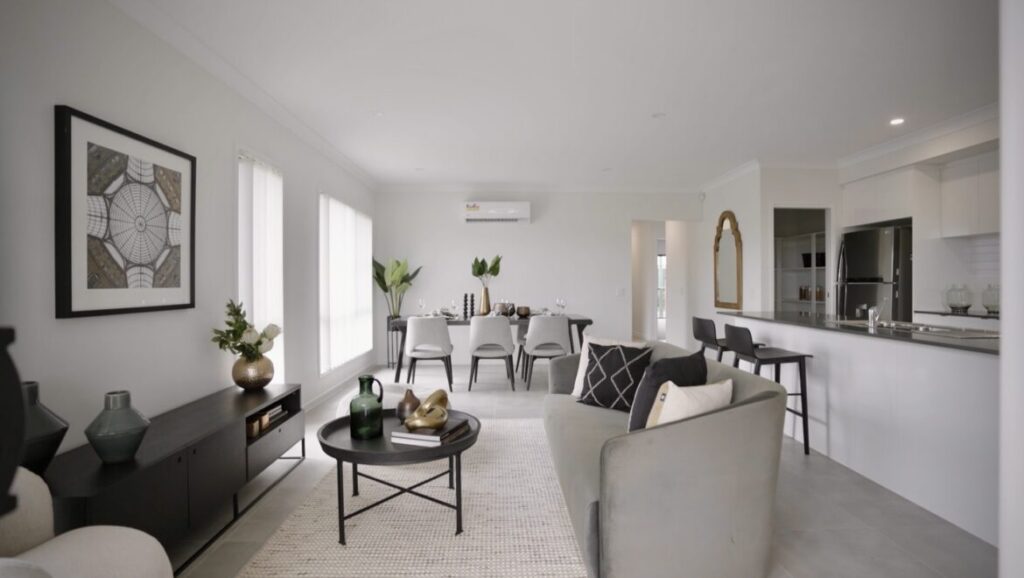
An investment grade property is one that tenants consistently want and future buyers will pay for. They should prioritise scarcity, functional layouts, and locations with proven demand.
They should be cautious with high rise off the plan apartments, properties with heavy strata risks, or niche stock that only appeals to a narrow tenant pool. Posting stress is not the time to also take a property risk.
How should they build a simple ADF friendly investment strategy?
A practical strategy is to buy one strong, boring property, stabilise it, then repeat when cash flow and equity allow. They should focus on quality assets rather than chasing quick wins or flashy renovations.
They can also use a “rent where they live, buy where they invest” approach. This lets them take advantage of housing support while placing investments in stronger markets.
What cash flow buffers should they keep to survive vacancies and repairs?
They should plan for things to break at the worst time, like during deployment or a remote posting. A common rule is to keep an emergency buffer that covers several months of total property costs, not just mortgage repayments.
They should also budget for landlord insurance, property management fees, and periodic maintenance. A property that looks cash flow positive on paper can flip quickly after real costs.
How can they avoid common ADF property mistakes?
They should avoid buying in a rush before a posting ends, trusting verbal advice about grants, or purchasing based on emotion because it is their “first home.” They should also avoid relying on optimistic rental estimates without comparable evidence.
They should get independent conveyancing and building inspections, and they should ensure the contract terms allow enough time for finance and due diligence. Speed is expensive.
What is a sensible step by step plan they can follow this month?
They should start by confirming goals, then get a borrowing capacity assessment, then shortlist markets, then inspect properties with investment grade criteria. Only after that should they worry about cosmetic preferences.
They should also build a one page model that includes realistic rent, vacancy allowance, all holding costs, and a buffer. If the deal does not work there, it does not work.
What is the best way for them to bring it all together?
They should treat housing schemes and grants as bonuses, not the reason to buy. The best outcome usually comes from matching a flexible loan and a resilient property to their real posting lifestyle.
If they keep the plan simple, document grant rules early, and prioritise investment grade fundamentals, they can build a property portfolio that works even when their location changes. Click here to get more about “DHOAS vs HPAS vs HPSEA: Which ADF Housing Scheme Is Right for You?”.

FAQs (Frequently Asked Questions)
What should ADF members consider before buying property?
ADF members should first decide if the purchase is for living, investment, or a flexible option, as this affects location, loan choice, deposit size, and vacancy risk tolerance. They should also map their likely posting cycle for the next 24 to 48 months to ensure the purchase suits their mobility.
How do ADF housing schemes impact buying decisions?
Subsidised housing or rent assistance can reduce the urgency to buy a principal residence and make renting out a property more attractive. Understanding specific benefit rules is crucial when choosing between living in supported accommodation or building an investment portfolio elsewhere.
What are key differences between buying to live in versus buying as an investment for ADF members?
Buying to live focuses on lifestyle fit, commute, school zones, and stability, while buying as an investment prioritizes cash flow, vacancy resilience, and long-term demand. Given posting uncertainties, many ADF buyers prioritize investment-grade fundamentals that perform well even if rented out early.
Which grants and incentives should ADF members check when buying property?
They should start with federal and state first home buyer support and stamp duty concessions relevant to their purchase location. It’s important to confirm timing rules since some benefits require moving in within a certain period and minimum occupancy durations that may conflict with posting orders.
How do posting cycles affect eligibility for grants and housing benefits?
Many first home benefits require living in the property as the main residence for a set time. Being posted away may jeopardize eligibility unless exemptions are granted. Getting written advice before exchange and keeping documentation like posting orders helps avoid costly mistakes.
What loan features are most beneficial for ADF members who relocate frequently?
Flexibility is key—features like offset accounts, ability to switch to interest-only payments temporarily, and clear policies on renting out matter more than just low rates. Members should also verify how lenders assess allowances and income during deployment or postings since interpretations vary.


